How to Spot Early Signs of Gum Recession
How to Spot Early Signs of Gum Recession
While we often focus on keeping our teeth pearly white, the health of our gums is just as vital to our overall well-being. Gum recession is a common concern, but the good news is that with a bit of knowledge and proactive care, it is entirely manageable. Understanding what to look for can help you catch changes early, ensuring your mouth stays healthy and comfortable for years to come. Livonia Dentistry offers a guide on spotting early signs of gum recession to protect your smile. Learn more.
What Is Gum Recession?
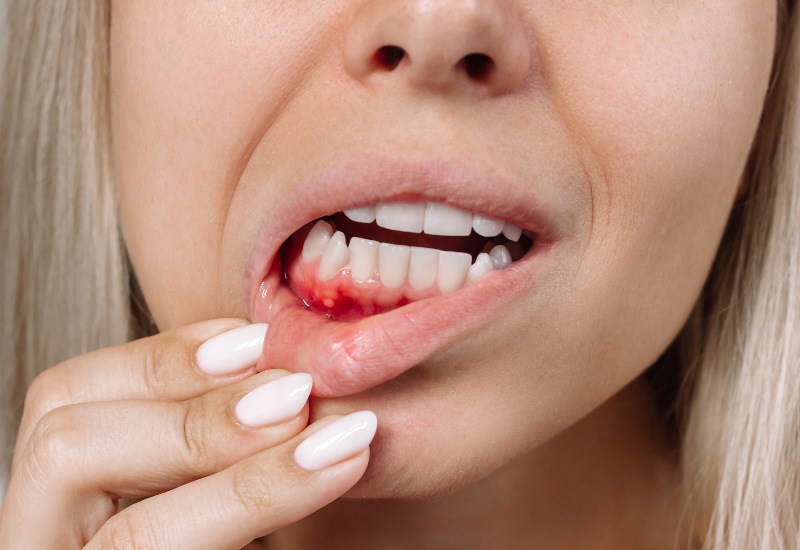
Gum recession occurs when the margin of the gum tissue that surrounds the teeth wears away or pulls back, exposing more of the tooth or even the tooth’s root. It’s a gradual process that often goes unnoticed until symptoms become more apparent. Think of your gums as a protective blanket for your teeth. When that blanket slips, the sensitive areas underneath need a bit of extra attention.
What Causes Gum Recession?
There are several reasons why gums might begin to recede, and many are easily addressed. The most common causes of gum recession include:
- Aggressive Brushing – Sometimes we are a little too enthusiastic with our toothbrushes. Using a hard-bristled brush or applying too much pressure can wear down the delicate gum tissue.
- Periodontal Diseases – Bacterial infections can destroy gum tissue and the supporting bone.
- Genetics – Some people are simply born with thinner gum tissue that is more prone to recession.
- Grinding and Clenching – Putting too much force on your teeth can cause gums to retreat.
- Tobacco Use – Smoking or chewing tobacco creates plaque that is harder to remove and can damage the gums.
Early Signs of Gum Recession to Look For
Detecting gum recession early is the best way to protect your oral health. Keep a gentle eye out for these gum health warning signs:
- Tooth Sensitivity – If you notice a sharp zing when enjoying a cold drink or hot soup, it may be because the sensitive root of the tooth is becoming exposed.
- Visible Roots – If your teeth appear “longer” than they used to, or if you see a notch near the gum line, your gums may be pulling back.
- Changes in Gum Color – Healthy gums are usually a soft pink. If you notice areas that are unusually red or swollen, it’s worth a closer look.
- Bleeding During Brushing – While many think a little blood is normal, it is often an early sign of inflammation that could lead to recession.
How Dentists Diagnose Gum Recession
If you suspect your gums are changing, don’t worry. Livonia Dentistry is here to help with professional gum care. During a routine checkup, we use a special instrument called a periodontal probe to gently measure the pocket between your tooth and gum. These measurements are painless and provide a clear picture of your gum health, allowing our dental team to create a customized plan just for your oral health.
When Gum Recession Becomes a Concern
While minor recession is common, it becomes a concern when it leads to significant sensitivity, tooth instability, or deep pockets where bacteria can hide. If left unaddressed, it can eventually impact the bone structure. The good news is that catching it in the early stages means you have plenty of effective options to keep your smile secure.
Gum Treatment Options
Depending on the stage of recession, there are several comforting ways to restore your oral health. The best ways we can help boost your gum and oral health include:
- Professional Deep Cleaning – Also known as scaling and root planning, this removes plaque and tartar below the gum line, helping the tissue reattach.
- Desensitizing Agents – We can apply treatments to reduce discomfort from exposed roots.
- Gum Grafting – In more advanced cases, a small amount of tissue can be moved to the area of recession to encourage new growth and protection.
- Pinhole Surgical Technique – A modern, minimally invasive way to reposition existing gum tissue.
Gum Recession Prevention Tips
Prevention is the kindest thing you can do for your mouth. Some of the most significant gum recession prevention tips include:
- Switch to Soft Bristles – Use a soft-bristled toothbrush and a light touch.
- Floss Daily – Removing debris from between teeth prevents the inflammation that leads to recession.
- Wear a Night Guard – If you grind your teeth at night, a custom guard can alleviate the pressure on your gums.
- Regular Checkups – Visiting your dentist twice a year ensures any small changes are caught before they become bigger issues.
Contact Livonia Dentistry Today
Livonia Dentistry is your partner in this oral health journey in Livonia, MI. Your smile is a reflection of your health and happiness, and taking care of your gums is a simple way to ensure it lasts a lifetime. By staying aware of the early signs of gum recession and maintaining a gentle oral care routine, you can feel confident and reassured in your dental health. Contact us today to schedule a dental appointment.
FAQs
Can Receded Gums Grow Back Naturally?
Unfortunately, gum tissue does not grow back on its own once it has receded, but treatments can help restore the area or prevent further loss.
Does Gum Recession Always Mean I Have Gum Disease?
Not necessarily! It can be caused by physical factors, such as brushing too hard or grinding your teeth.
Is the Treatment for Gum Recession Painful?
Modern dental techniques are designed with your comfort in mind. Most procedures involve local numbing, and the recovery process is typically very manageable.