How to Manage Oral Health During Chemotherapy
How to Manage Oral Health During Chemotherapy
If you or a loved one are preparing for chemotherapy, it is completely natural to feel overwhelmed by the journey ahead. At our practice, we want you to know that you aren’t alone, and we are here to help you manage every aspect of your well-being, including your smile. Chemotherapy is a powerful tool for healing, but because it targets rapidly dividing cells, it can often affect the delicate tissues of the mouth. Understanding how to support your oral health during chemotherapy can significantly improve your comfort and quality of life during treatment.
How Chemotherapy Affects the Mouth
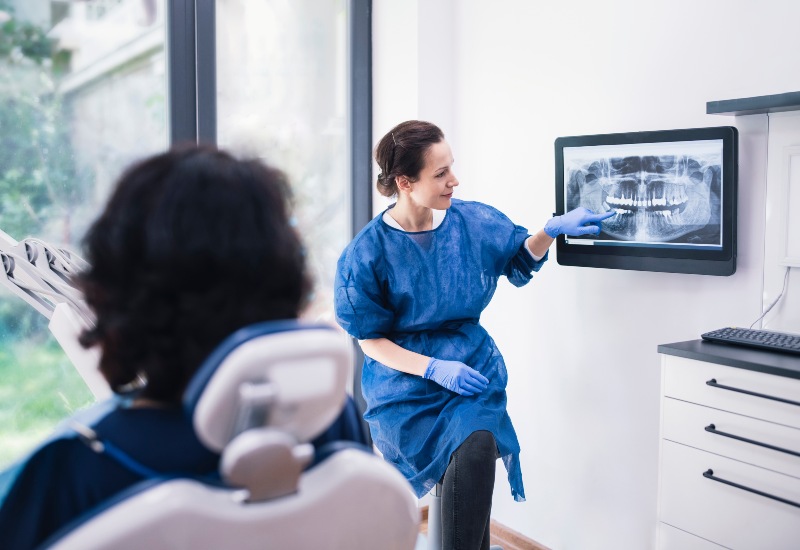
Chemotherapy works by attacking cancer cells, but it can also temporarily affect the healthy cells in your salivary glands and the lining of your mouth. This can disrupt the natural balance of bacteria and slow down your mouth’s ability to repair itself. Common oral complications from chemotherapy include a dry mouth, changes in taste, and a higher sensitivity to hot or cold foods. By being proactive, you can protect your teeth and gums from these temporary shifts.
Common Oral Side Effects of Chemotherapy
While everyone’s experience is unique, many patients encounter a few standard side effects. Some common side effects of chemotherapy on your oral health include:
- Mucositis – Painful inflammation or mouth sores.
- Xerostomia – A persistent feeling of dry mouth due to reduced saliva flow.
- Infections – A weakened immune system can make it easier for oral thrush or other infections to take hold.
- Bleeding Gums – A drop in platelet counts during chemo may cause gums to bleed more easily during brushing.
Visit Your Dentist Before Starting Treatment
One of the most reassuring steps you can take is scheduling a dental checkup at least two to three weeks before your chemotherapy begins. During this visit, we can address any existing issues, such as cavities or gum disease, to ensure your mouth is as healthy as possible before your immune system becomes taxed. Providing dental care for cancer patients early on helps prevent minor issues from becoming major complications during your oncology treatments.
Daily Oral Hygiene Tips During Chemotherapy
Maintaining a gentle but consistent routine is the cornerstone of chemotherapy and oral hygiene tips. We recommend:
- Brushing Gently – Use an extra-soft manual toothbrush. If the bristles feel too firm, soften them further by dipping the brush in warm water.
- Flossing With Care – Continue to floss daily, but be very gentle near the gumline to avoid irritation.
- Alcohol-Free Rinse – Avoid commercial mouthwashes containing alcohol, which can be drying and painful. Instead, use a simple solution of 1/4 teaspoon baking soda and 1/8 teaspoon salt in one cup of warm water several times a day.
Managing Mouth Sores and Preventing Infections
If you develop mouth sores, please know that there are many ways to find relief. Preventing mouth sores during chemo involves keeping the mouth hydrated and clean. If sores do appear, avoid spicy, acidic, or crunchy foods that might cause friction. To manage infections, keep a close eye on any white patches or unusual redness and let your medical team know immediately.
Dietary Recommendations for Oral Comfort
What you eat plays a massive role in mouth care during cancer treatment. Opt for soft, moist foods like cooked cereals, mashed potatoes, and scrambled eggs. If you are struggling with a dry mouth, sipping water frequently or sucking on ice chips can provide much-needed moisture. Try to limit sugary snacks, as a dry mouth is more susceptible to tooth decay.
Oral Care Products That Help
There are several specialized products designed to make this time easier. We recommend the following oral care products:
- Biotene or Saliva Substitutes – These help manage dryness and keep the mouth lubricated.
- High-Fluoride Toothpaste – We may prescribe a special toothpaste to provide extra protection against dental problems during chemotherapy.
- Water Flossers – If traditional flossing becomes too sensitive, a water flosser on a low setting can be a gentle alternative.
When to Call Your Dentist
Livonia Dentistry is your partner in this process. Please reach out to your oncologist or us if you notice:
- A fever or signs of a new infection.
- Sores that make it difficult to eat or drink.
- Persistent bleeding in the mouth.
- Any new pain or swelling in your teeth or jaw.
Contact Livonia Dentistry
Livonia Dentistry wants our patients in Livonia, MI to feel as well as possible during their chemotherapy journey. While your focus is rightfully on your recovery, taking a few small steps to care for your mouth can make a world of difference in how you feel each day. With the right tools and a gentle touch, you can maintain your oral health and stay comfortable throughout your treatment. We are here to support you every step of the way. Don’t hesitate to reach out with any questions or concerns.
FAQs
Can I Have Dental Work Done During Chemotherapy?
It is usually best to postpone elective dental procedures until after your treatment is complete. If an emergency arises, we will work closely with your oncologist to ensure any treatment is performed safely when your blood counts are at appropriate levels.
Will My Sense of Taste Return to Normal?
Yes! Most patients find that their sense of taste returns a few weeks or months after chemotherapy has ended.
How Often Should I Rinse My Mouth?
We recommend rinsing with a salt and baking soda solution 4 to 6 times a day, especially after meals, to keep the mouth clean and neutralized.