How Sleep Apnea Is Linked to Oral Health
How Sleep Apnea Is Linked to Oral Health
Many of us think of sleep and dentistry as two entirely separate worlds, but they are actually closely intertwined. Your mouth often acts as a mirror to your overall well-being, and surprisingly, it is frequently the first place where signs of sleep-disordered breathing appear. If you’ve been feeling sluggish or waking up with a sore jaw, you aren’t alone, and we’re here to help you understand how your dental health plays a pivotal role in your sleep quality.
What Is Sleep Apnea?
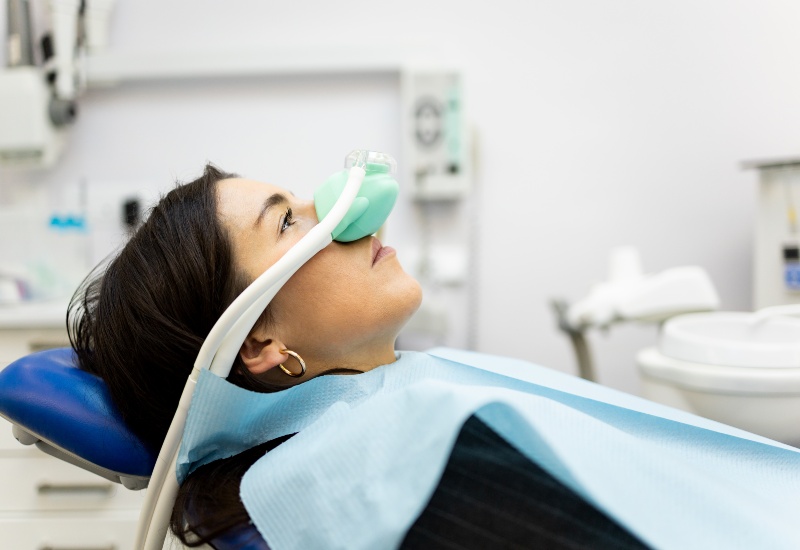
Sleep apnea is a common but serious sleep disorder where breathing repeatedly stops and starts throughout the night. The most frequent form is Obstructive Sleep Apnea (OSA), which occurs when the throat muscles relax excessively and block the airway. While the primary symptoms like loud snoring or gasping for air happen while you’re asleep, the long-term effects can impact your heart health, energy levels, and your teeth and gums. Rest assured, identifying these links is the first step toward a more vibrant, energized life.
The Mouth-Breathing Dilemma
One of the most immediate links between sleep apnea and oral health is chronic mouth breathing. When your airway is restricted, your body naturally reverts to breathing through the mouth to take in more oxygen. This dries out the protective saliva in your mouth. Saliva is essential for neutralizing acids and washing away bacteria. Without it, you face a higher risk of tooth decay, bad breath, and oral infections. Keeping your mouth hydrated is key, but addressing the underlying breathing issue is the real solution.
Bruxism (Teeth Grinding) and Sleep Apnea
Do you ever wake up with a dull headache or a tight jaw? Sleep apnea and teeth grinding (bruxism) often go hand-in-hand. Research suggests that when the brain senses a drop in oxygen due to a blocked airway, it signals the jaw muscles to clench and grind. This action helps wake up the muscles to reopen the airway, but it puts immense pressure on your teeth. Over time, this can lead to flattened tooth surfaces, cracked enamel, and increased sensitivity.
TMJ Disorders and Airway Issues
The Temporomandibular Joint (TMJ) connects your jaw to your skull, and its health is deeply tied to how you breathe. When you struggle to breathe at night, your jaw may shift into unnatural positions to keep the airway open. This constant strain can lead to TMJ disorders, causing clicking sounds, facial pain, and limited movement. By focusing on airway health, we can often alleviate the stress placed on these vital joints, bringing you much-needed comfort.
Periodontal (Gum) Disease Links
Recent studies have highlighted a concerning connection between sleep apnea and gum disease. Both conditions involve systemic inflammation. The lack of oxygen during apnea episodes can trigger inflammatory responses throughout the body, weakening the gums’ ability to stay healthy. Furthermore, the dry mouth caused by mouth breathing allows plaque-causing bacteria to thrive, creating a cycle that can lead to gingivitis or advanced periodontitis if left unaddressed.
Oral Anatomy as a Risk Factor
Your unique oral anatomy can actually be a risk factor for developing sleep apnea. During a routine exam, a dentist might notice a large tongue, a narrow palate, or enlarged tonsils that could potentially obstruct your breathing path. Recognizing these physical traits early on allows us to be proactive, ensuring your airway remains clear and your sleep stays restorative.
Dental Clues That May Indicate Sleep Apnea
Your dentist is often the first line of defense in spotting dental signs of sleep apnea. During your bi-annual visit, we look for-
- Scalloped edges on the tongue (caused by pressing against the teeth).
- Worn-down or “short” teeth from grinding.
- Redness or inflammation in the throat.
- Bony growths (tori) in the lower jaw, often associated with clenching.
How Dentists Help Diagnose & Manage Sleep Apnea
While a sleep specialist provides the formal diagnosis, modern dentistry offers incredible tools for sleep apnea treatment. Many patients find relief through custom-made dental devices for sleep apnea, known as Mandibular Advancement Devices. These comfortable, wearable appliances gently shift the lower jaw forward, keeping the airway open without the need for a bulky CPAP machine. It’s a quiet, portable, and highly effective way to reclaim your night.
When to Talk to a Dentist or Sleep Specialist
If you experience daytime fatigue, morning headaches, or if a partner mentions your snoring, it’s time to reach out. We are here to listen to your concerns without judgment. Combining a clinical sleep study with a comprehensive dental evaluation ensures that you receive a holistic plan tailored to your specific needs. You deserve to wake up feeling refreshed every single day.
Contact Livonia Dentistry
Livonia Dentistry provides comprehensive dentistry care in Livonia, MI. The connection between your breath and your smile is undeniable. By addressing oral health complications from sleep apnea, you aren’t just protecting your teeth. You are investing in your longevity and quality of life. Whether it’s through a simple oral appliance or a collaborative care plan, there are many paths to better sleep. We invite you to talk with us at your next visit, so we can help you breathe easier and smile brighter. Contact us today.
FAQs
Can a Mouth Guard for Grinding Also Treat Sleep Apnea?
Not necessarily. A standard night guard protects the teeth from grinding but may not keep the airway open. A specific “mandibular advancement device” is needed to treat sleep apnea.
Is Sleep Apnea Common in Children?
Yes, it can be. In children, it is often related to enlarged tonsils or dental arch development. Early intervention can help their oral and physical growth.
Will Treating Sleep Apnea Improve My Gum Health?
Absolutely. By reducing systemic inflammation and potentially decreasing mouth breathing, your gums will have a much better environment to stay healthy and strong.